Alembic Resident Artists Program

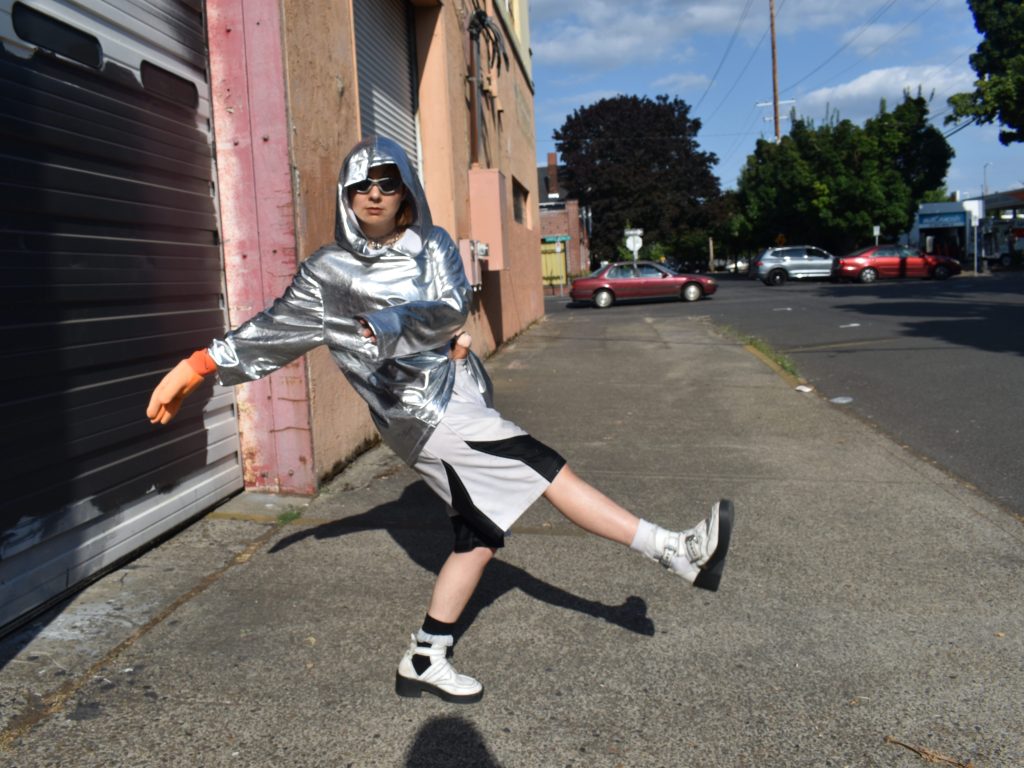
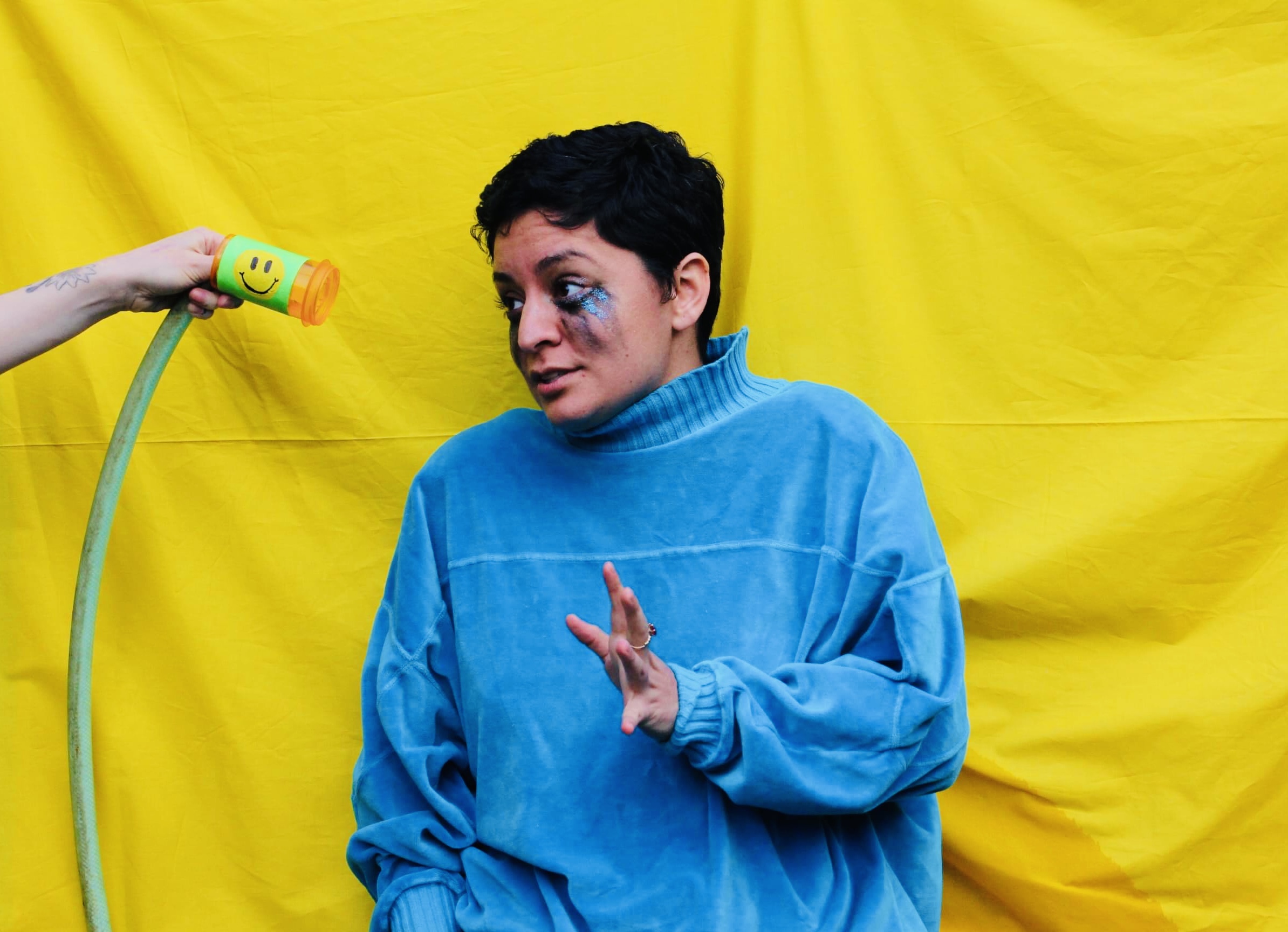
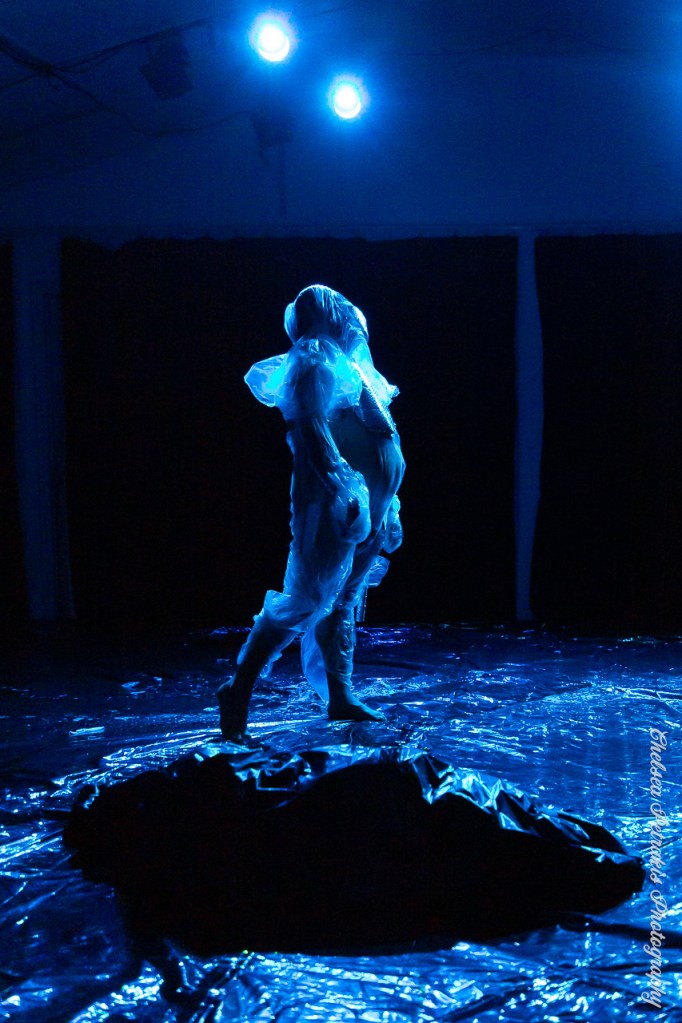
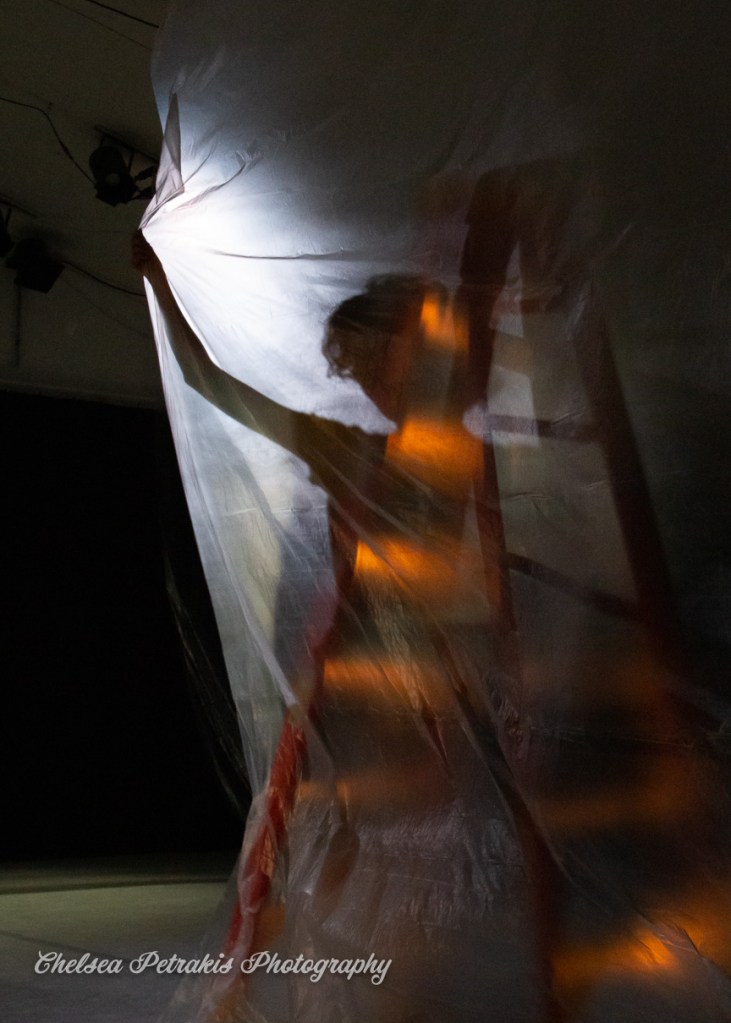
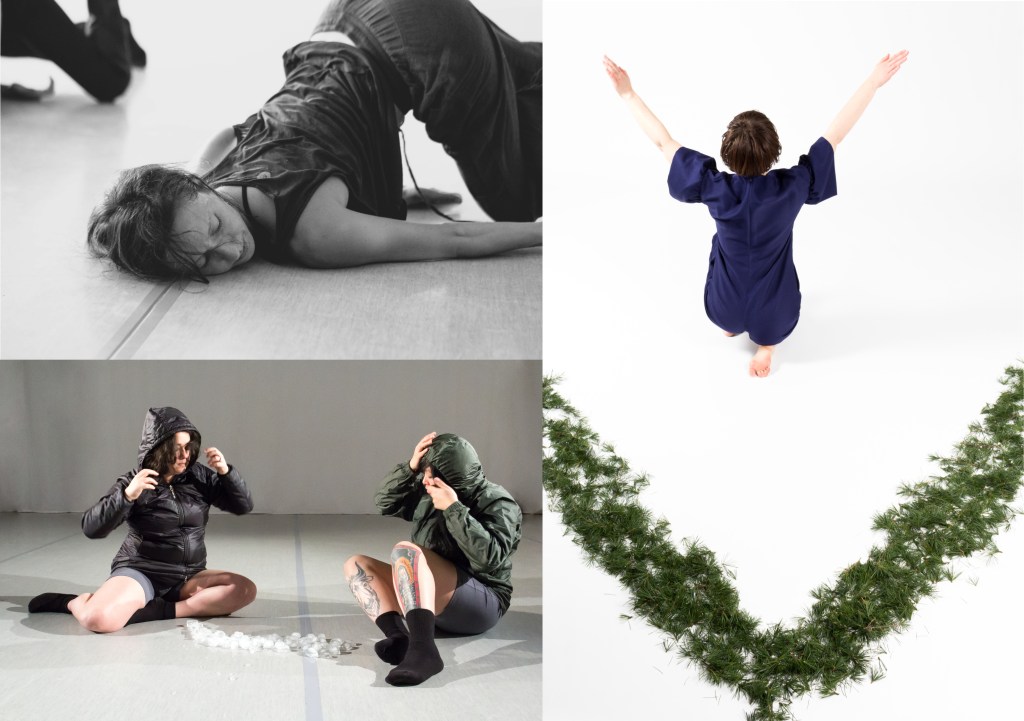
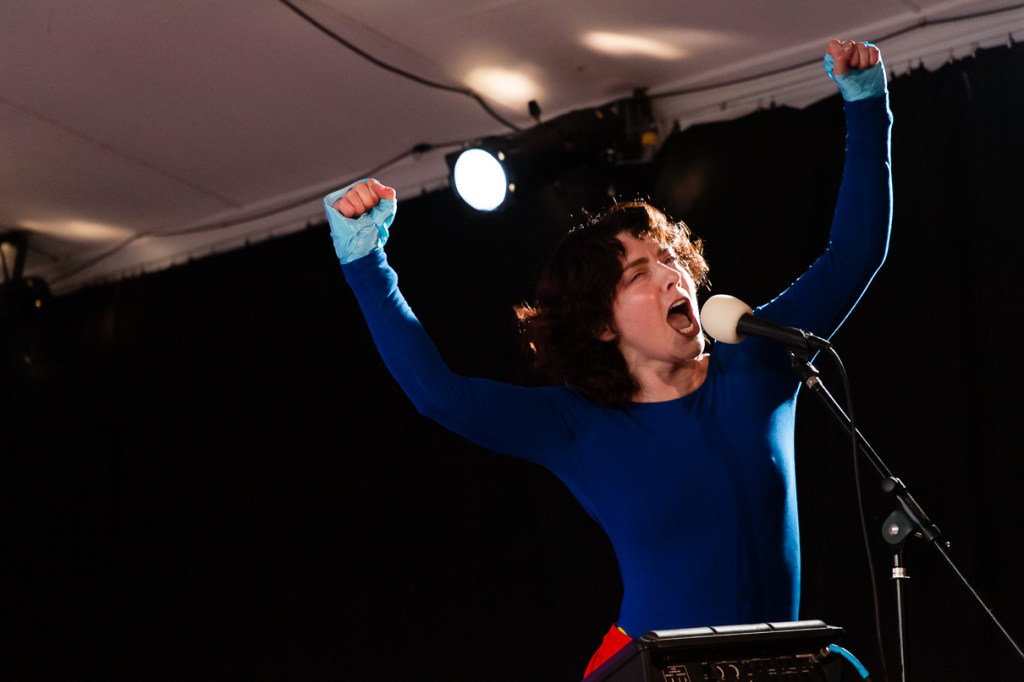
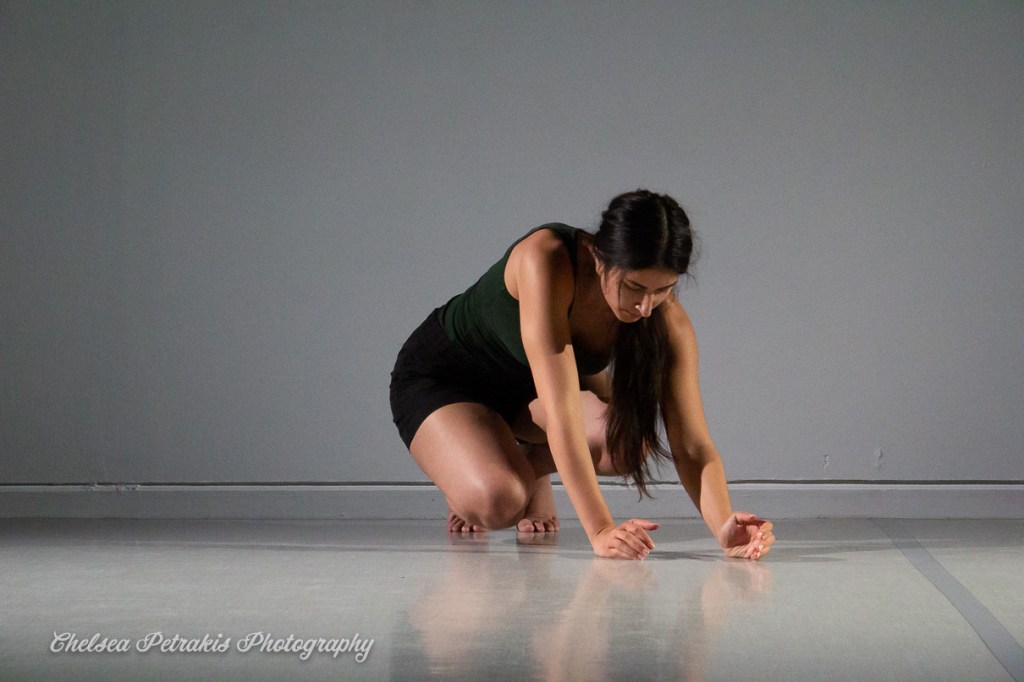
Times Square, Las Vegas by Kye Grant, 2025 Alembic Artist, Photo by Chelsea Petrakis.

The Alembic Resident Artist Program at PWNW offers both a core residency for local artists leading to a performance and parent residencies for local and for visiting artists.

CORE RESIDENCY

The Alembic Core Residency is at the heart of PWNW’s commitment to artists and the development of new experimental performance in Portland. Now in its 12th year, the program provides three Portland artists with 100–150 hours of studio time to be used over a 9–11 month period, along with an artist fee and the opportunity to share the results of their research in a fully produced, shared performance at the conclusion of the residency.

Alembic is an invitation to take your time: to follow an idea, try something that might not work, ask questions, experiment, and let a work evolve without the pressure of immediately knowing what it will become. Alongside dedicated studio time and financial support, residents become part of PWNW’s broader artistic community, building relationships with fellow residents, PWNW artists, audiences, and collaborators. We see the residency as the beginning of an ongoing relationship, and many works that begin in the Alembic Residency continue to become fully realized works. Residents are eligible for an Alembic Co-Production within the following two years.

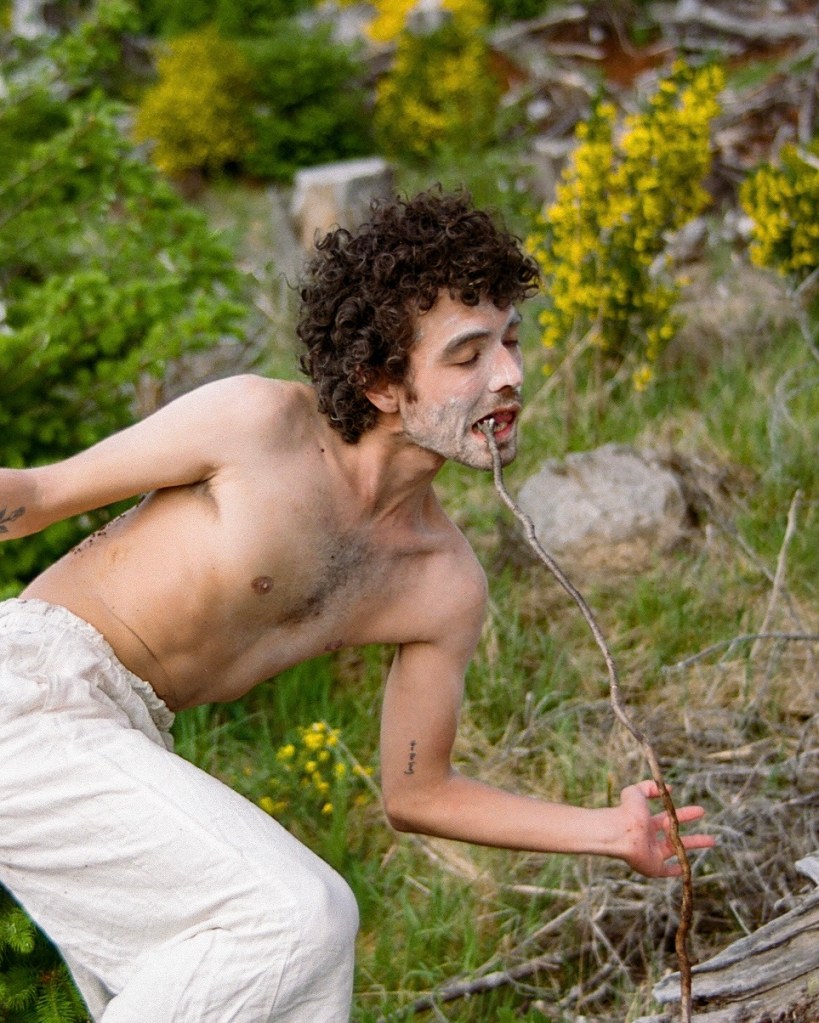
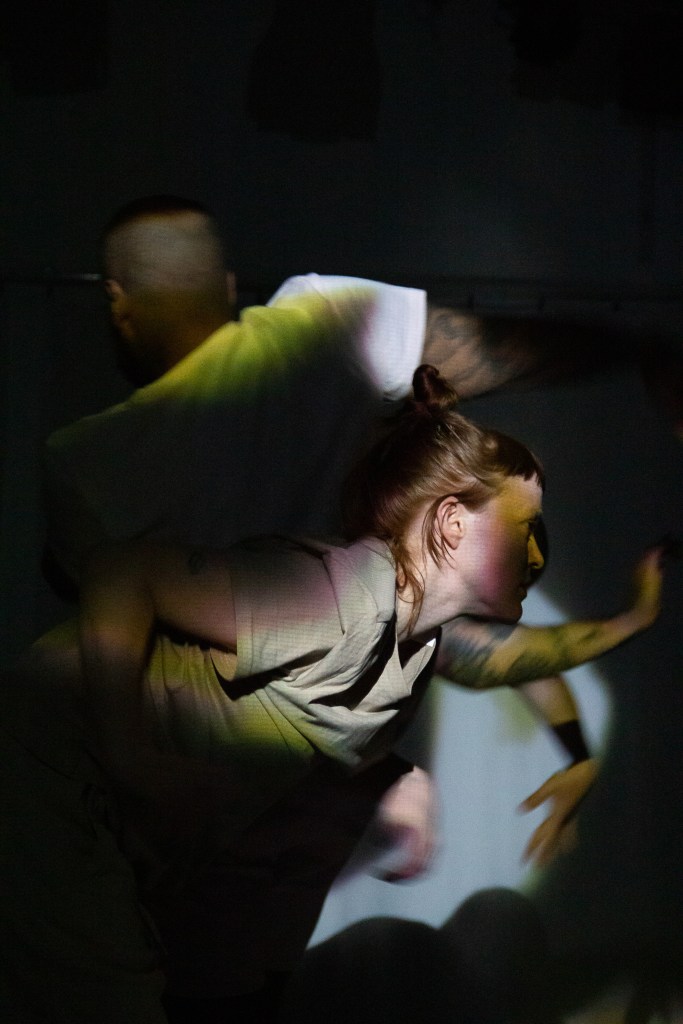
You Make Me Sick, by Emma Lutz-Higgins, 2024 Alembic Resident, featuring John Niekrasz, Allie Hankins, Helen Spencer-Wallace, and Emily Jones.
Photo by Chelsea Petrakis

The selection process for 2026 is complete. Applications for the 2027–2028 residency will be available October 1st, 2026. Email questions about the program or application to allie@pwnw-pdx.org


PARENT RESIDENCIES

Local and/or visiting artists whose work engages a strong movement, body or dance-based component receive studio time, a stipend, and, for the visiting artist, housing in PDX. This is a research-exploration based residency and is not expected to result in a finished work, though artists have the opportunity for an informal sharing.


Past Parent Residents

2026: Noel Price-Bracey
2025-2026: Local parent artists Lilia Hernandez Galusha and Sara McIntyre.
2024-2025: Visiting parent artist Heather Kravas (Seattle) and local parent artist Muffie Delgado Connelly (PDX). Read about them HERE:
2023-2024: Visiting parent artist Kaitlin McCarthy (Seattle), and local parent artist was Latoya Lovely. Read about them HERE.
2022: Corrie Befort & Jason Anderson (Pullman, WA) spent two weeks in our studio, collaborating with local artists.


VISITING ARTISTS
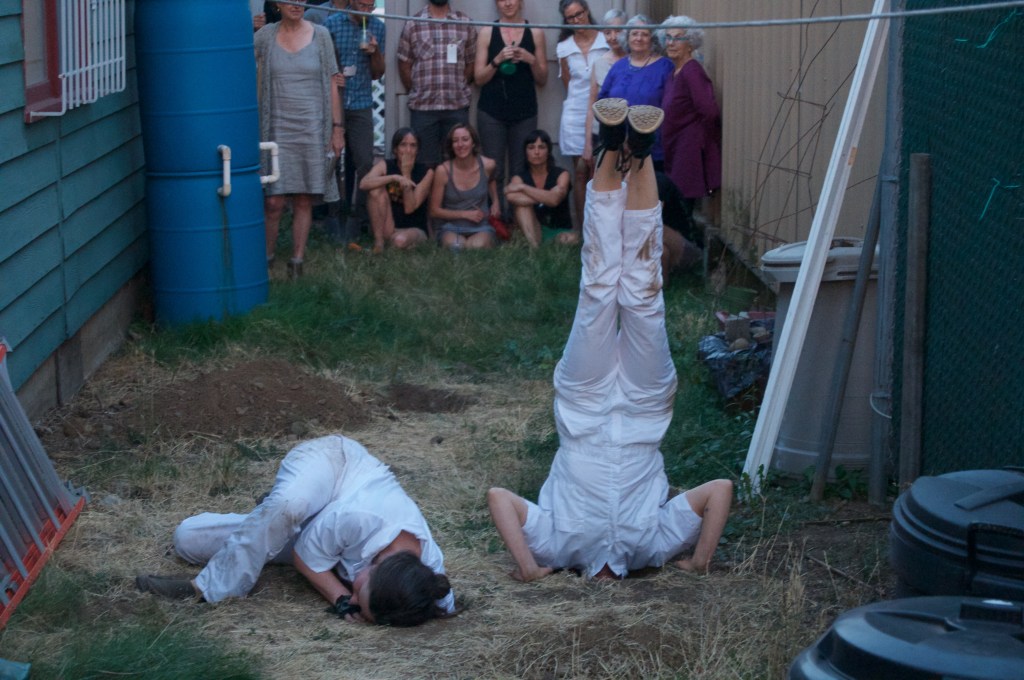
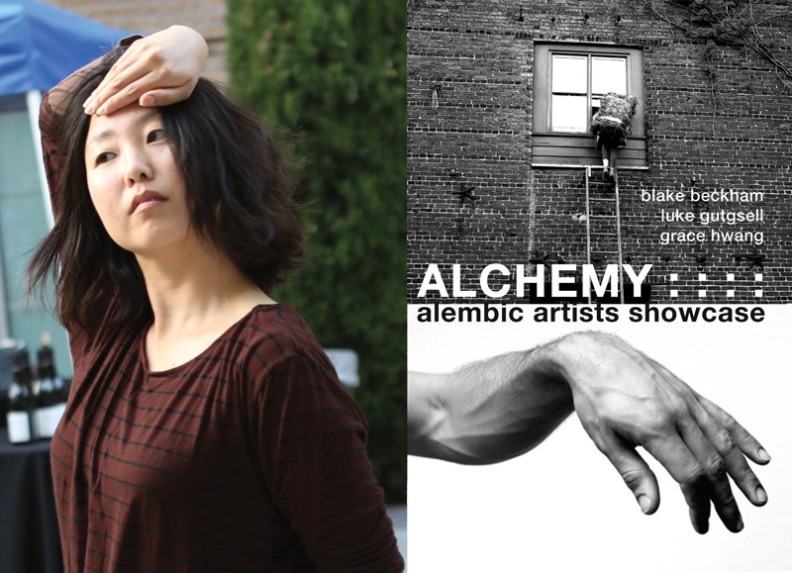
Occasionally, and by invitation only, we host visiting artists. Travel expenses and per diem may be&nbs p;provided depending on funding. Residencies may involve research/rehearsal and creation and sharing work, informally or in a full production. Past artists include Scott Heron + Brendan Connelly, Melinda Ring Special Projects + Renée Archibald, Alice Gosti, Blake Beckham, Meg Wolfe, Danza La Barbacoa  and Clare Whistler.


CURRENT & PAST ALEMBIC ARTISTS

Announcing Our 2026 Alembic Resident Artists

We are happy to announce PWNW’s 12th Alembic Residency Cohort: claire barrera, Jae Seung Hancock, and Melody Erfani.

We thank all the intrepid artists who applied for our 2026 Alembic Residency, and to panelists Muffie Delgado Connelly, Katherine Longstreth, and Lu Yim, who had the difficult task of choosing only three artists from among many talented applicants.

Starting April 1, The Alembic Artists will be creating and rehearsing in the studio, sharing ideas and progress with one another, and will present the results of their research and play in November 2026.

Introducing the artists

claire barrera is an artist, activist and educator based in Portland, Oregon.  Their recent dance work includes the intergenerational performance Grammar of the Imagination and The Fantastical Power of Two with Maya Dalinsky.  Upcoming projects include the original work CAME BACK DIFFERENT and roles in Sam Hamilton’s Te Moana Meridian and Allie Hankins’ By My Own Hand Part 5: INVISIBLE TOUCH. They are a published writer and zinester; since 2008 they have co-edited the zine When Language Runs Dry with Meredith Butner which was anthologized by Mend My Dress Press in 2021. Their essay, “Brown Girl Rise: How We Take Care of Our Own,” was printed in Constellations of Care: Anarcha-Feminism, edited by Cindy Milstein, Pluto Press, in 2024.

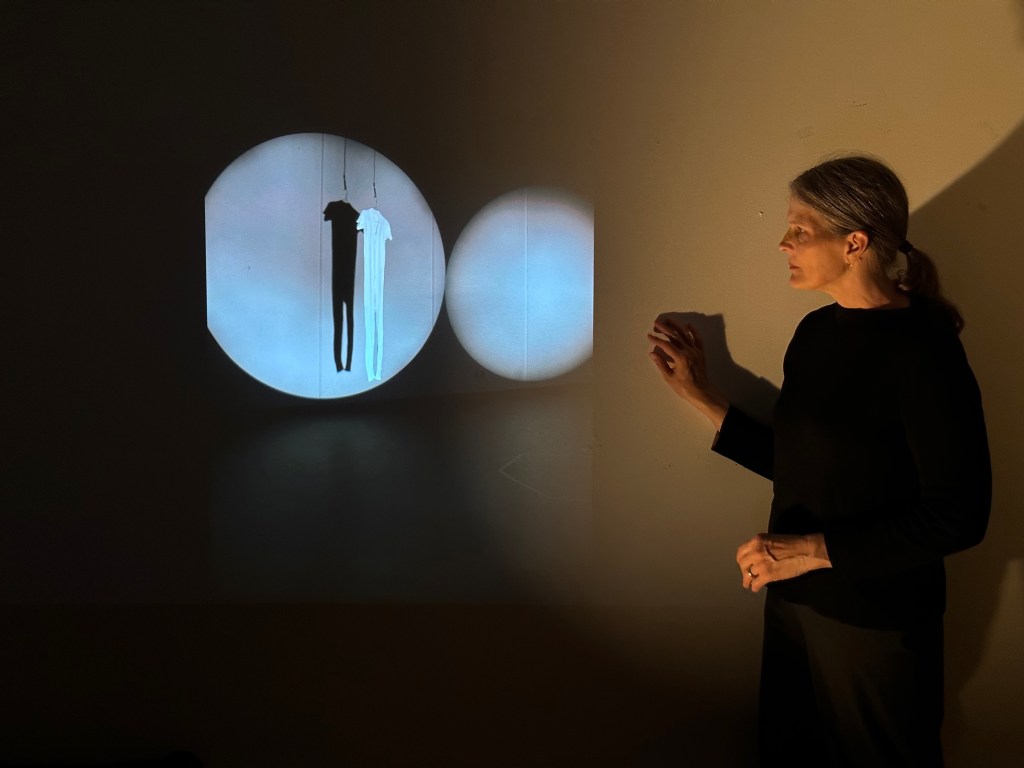
photo by Michael Lindbergh

My artistic research is born from a need to interrogate my own habits of private sustenance and public action, and community-level patterns of kinship, care and harm. Relationships (between audience/performer, language/movement, nation/individual etc) are central to my work. I use repetition and pattern to find the cracks in a system, highlight individual differences, find opportunities for harmony or reveal new outcomes.

My current project, CAME BACK DIFFERENT/VOLVIO DIFERENTE is a dance performance exploring shifts in perception and perspective. I use myriad techniques to expose the mechanics of manipulation, recollection and historical reconstruction: childhood magic tricks, theatrical tropes, time manipulation through repetition and recall, and concealment/exposure. CBD is a duet between myself and Allie Hankins, with sound by John Niekrasz, objects by Julia Calabrese, lighting/set by Fox Whitney.  

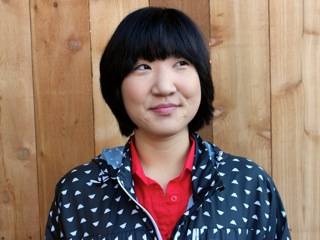
Jae Seung Hancock was born in and adopted from Seoul, Korea and raised in a suburb of the Twin Cities. They received their B.A. in Dance and Arts Management from the University of Wisconsin–Stevens Point in 2016. After graduating, Jae relocated to Portland, Oregon, where they have lived for the past ten years pursuing dance, theater, and painting. They have collaborated with organizations including Disjecta Contemporary Art Center, CoHo Productions, The Holding Project, Theatre Diaspora, and Tongue Dance Collective.


As a multidisciplinary artist, my work is rooted in colors and textures of the natural world—ocean waves, wind, and lava—inspired by the ways these elements embody movement and energy. Their work draws from both percussive and folkloric dance traditions and modern dance, weaving rhythm, gesture, and vocals into movement that explores themes of homeland, memory, and the loss of cultural identity.


Melody Erfani (she/her) is a theatre maker and movement-based director whose work lives at the intersection of dance, theatre, and installation. Raised in an Iranian-American family in Dallas, she creates devised performances that translate inner emotion into physical language, using gesture, rhythm, and sound to tell stories of belonging and identity.

She has a deep passion for writing and devising based on true stories from marginalized communities, with immigration playing a central role in her work. Her projects include Bee زنبور (HB Playwrights, Headwaters Theatre), Stars Falling Upside Down (Women Center Stage Festival, NYC co-created with Tracy Francis), the outdoor devised piece The Sacrifice of Belonging (Pavement Festival with Risk/Reward), and 97 Orchard Street, which explored the lives of three immigrant women in Manhattan’s Lower East Side using video, movement, and storytelling.

Melody holds an MFA in Directing from the Actors Studio Drama School, completed the Advanced Training Course at Frantic Assembly in London, and has received residencies from HB Studio (2017 & 2024), Barn Arts Collective, and the Drama League’s First Stage Residency. She is the founder of LES Shakespeare Co. and is currently developing The Words Will Come, a movement-driven work exploring dyslexia, shame, and perception.

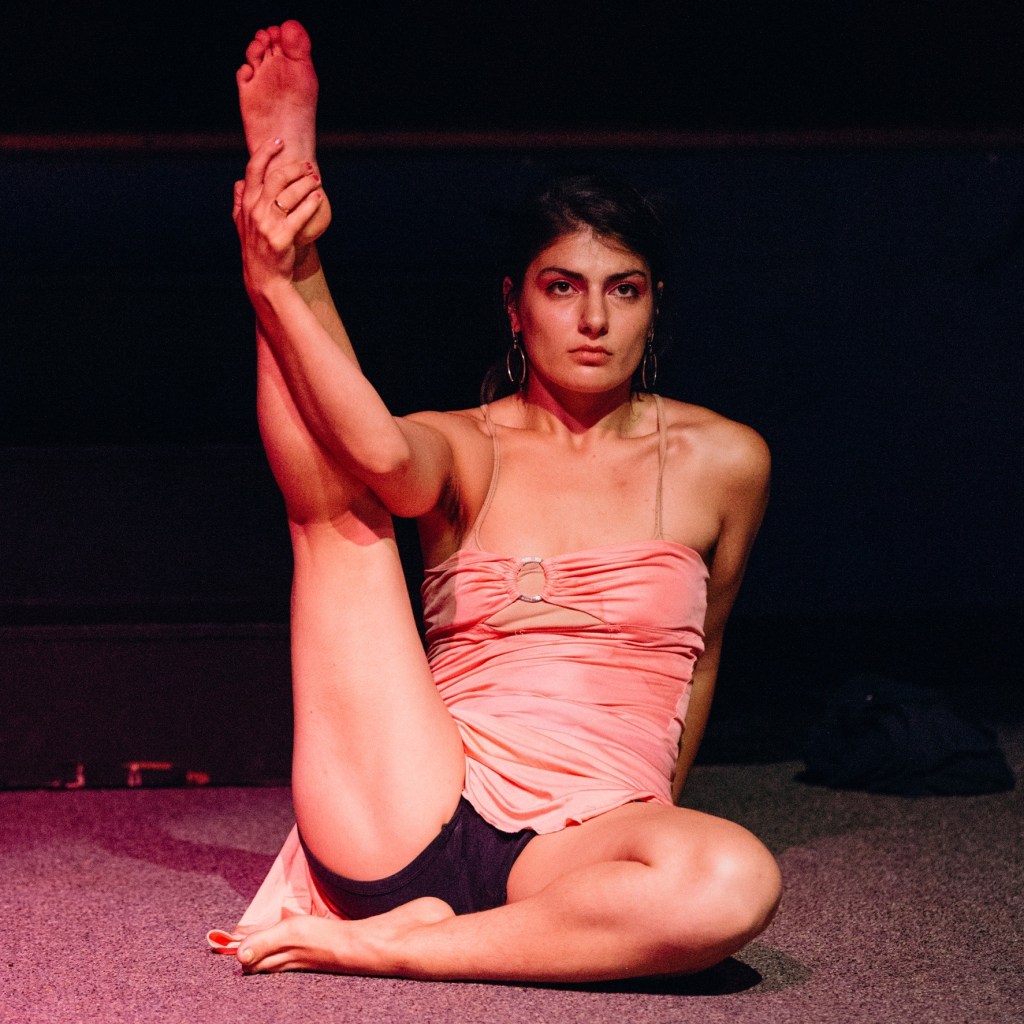
photo by Michael Floyd

  My work begins with the body. I use movement to make internal experiences visible—how thought, emotion, and memory move through us and between us. In The Words Will Come, I’m exploring the physical language of dyslexia: the jumbled rhythm of thought, the space between comprehension and confusion, and how shame and resilience live in the body. I’m interested in theatre as a live, shared act of breathing, the opposite of realism, where movement carries story and emotion beyond words. For me, the studio is a laboratory for failure, curiosity, and discovery, a place where gesture, sound, and projection collide to form meaning. Through this residency, I hope to expand my movement vocabulary and develop a collective physical language that allows audiences to feel understanding, rather than simply observe it.   


Cohort #11 || 2024-25

sophia tweed ahmad, Kye Kauffman Grant, and Kai Hynes
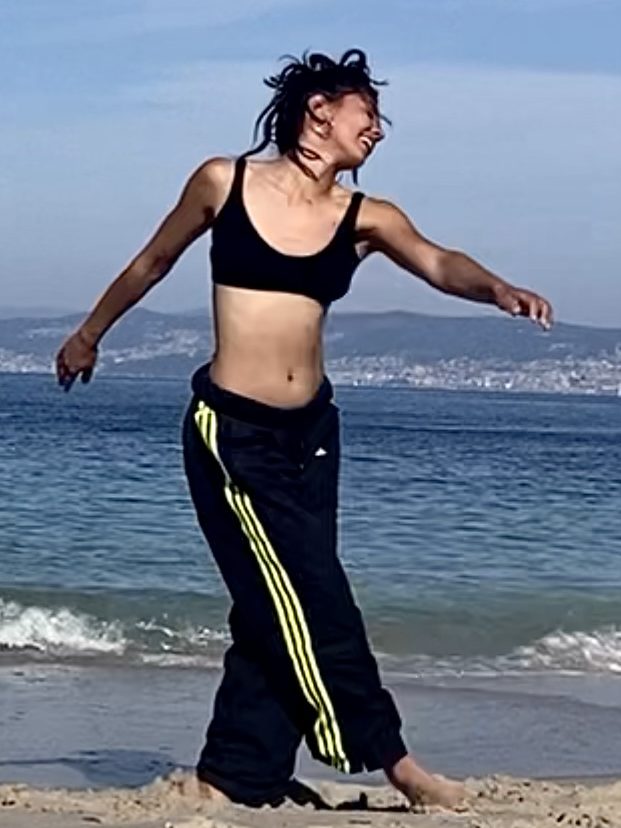
Cohort #10 || 2023-24

JmeJames Antonick & Patsy Morris, Katherine Longstreth, and Emma Lutz Higgins
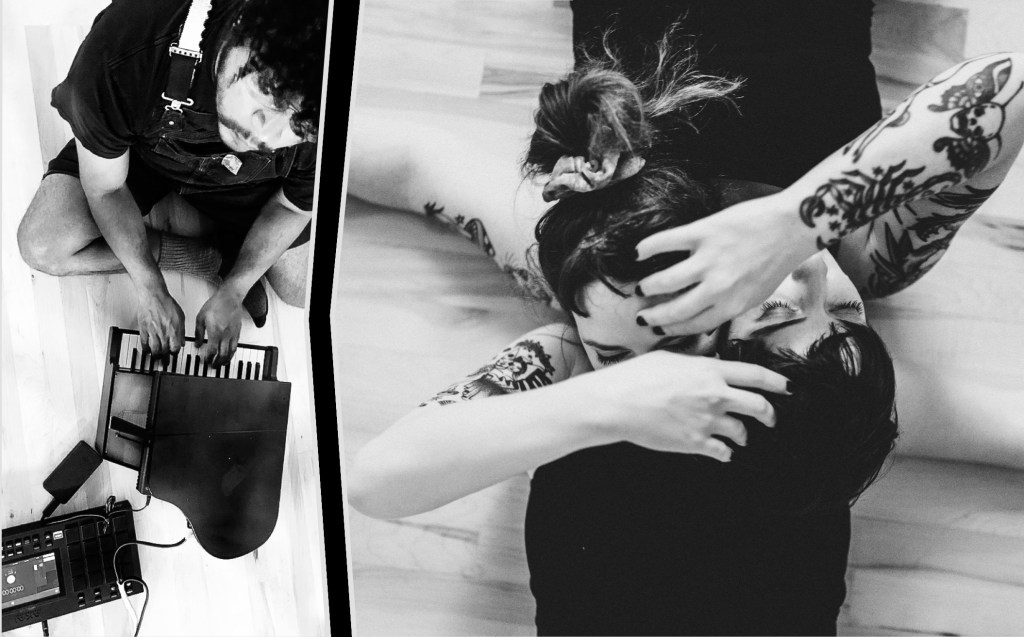
Cohort #9 || 2022

Adrianna Audoma, Blue McCall, Dee Bustos, and Pepper Pepper
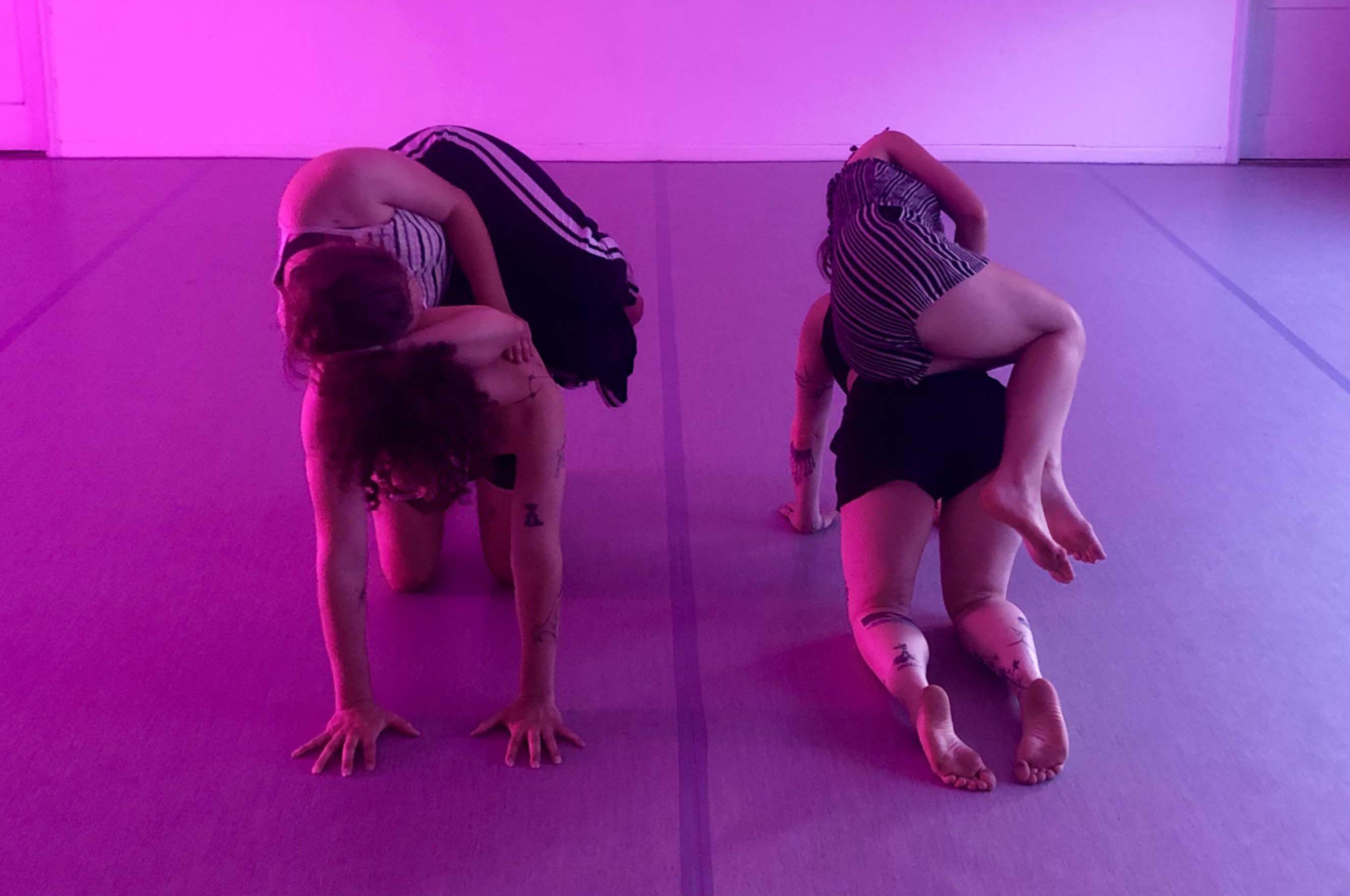

Cohort #8 || 2020-21

Emily Jones & Hannah Krafcik, Marissa Rae Niederhauser, Maura Campbell-Balkits, maximiliano
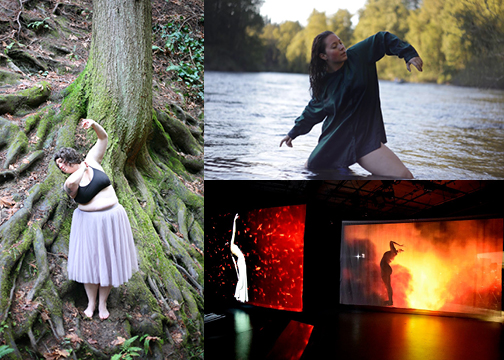
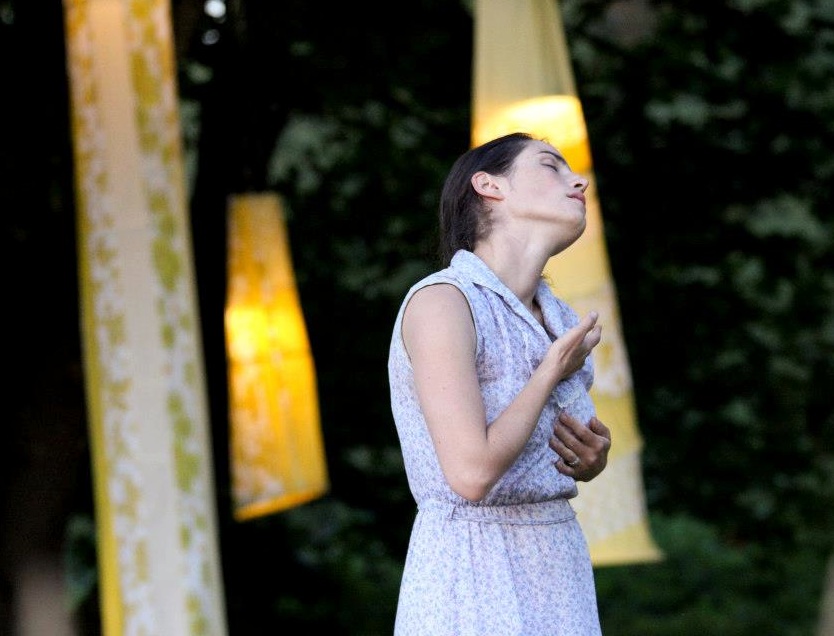
photos by Chelsea Petrakis

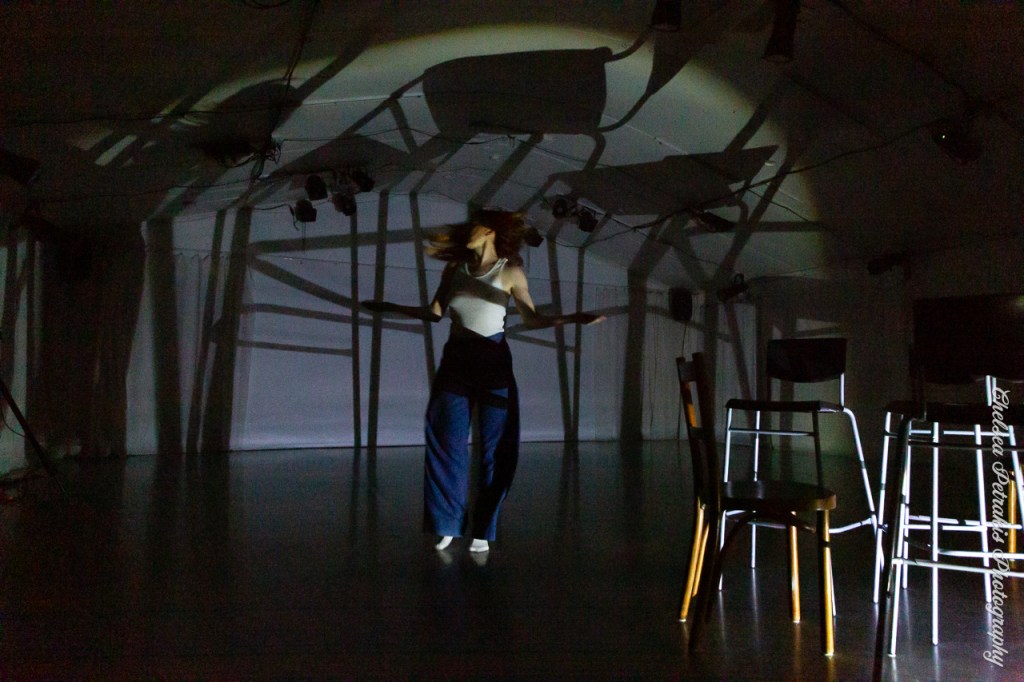
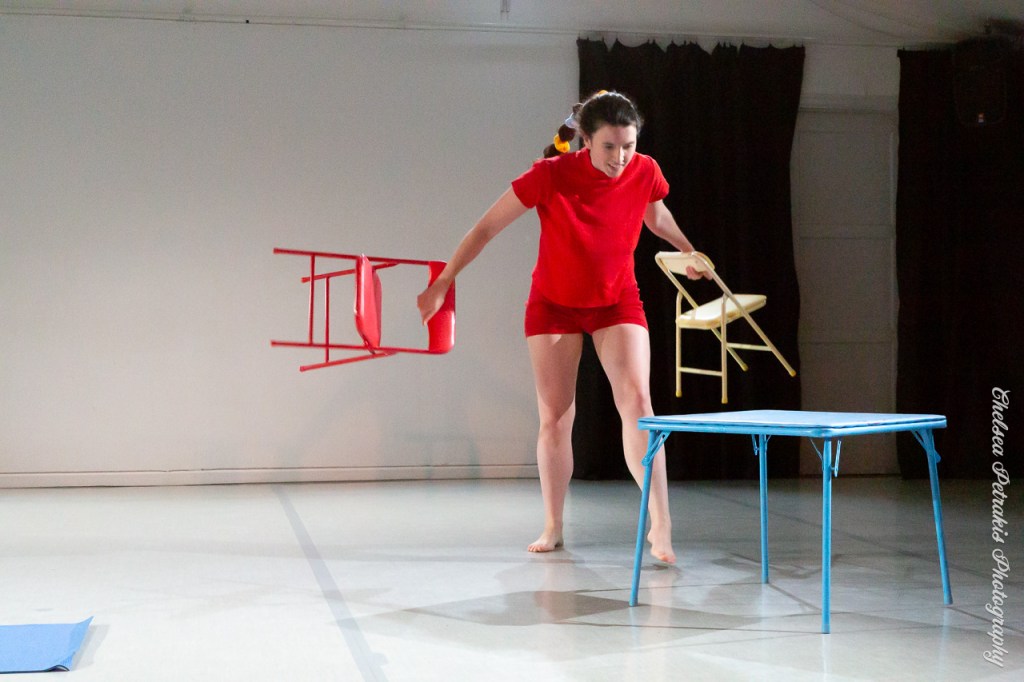
Cohort #7 || 2019-20

Sarah Brahim, Maggie Heath, Catherine Ross
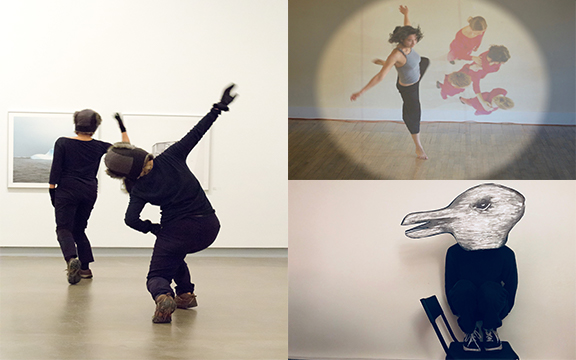
photos by Chelsea Petrakis

Cohort #6 || 2018-2019


Cohort #5 || 2017-18


Cohort #4 || 2016-17


Cohort #3 || 2015


COHORT #2 || 2014


COHORT #1 || 2013